AI-Native Uptime Layer
For Critical
Infrastructure
FSM Dispatch automates the entire uptime cycle. When an alert fires, AI triages the severity, identifies the right engineer, and tracks resolution—eliminating reactive manual coordination.
Powering 15,000+ ATMs and 68,000+ telecom towers globally. We bring precision and autonomous decision-making to your critical field operations.
Built by engineers from the world's leading tech organizations















Live In
Production
Real infrastructure-native agents executing dispatch workflows that previously required entire floors of manual triage teams.

Agent 01 — 15k ATMs
ATM Network Dispatch
AI-native dispatch for multiple paid ATM network providers. Ingests alerts directly from monitoring systems to prevent invisible downtime.
Capabilities
- Severity triage & alert matching
- Proximity-based engineer assignment
- Real-time SLA resolution tracking
- Automated ticket closure & logging
- Integration with proprietary NOC tools
Agent 02 — 68k Towers
Telecom Infrastructure
Deployed for top-tier tower companies to manage critical signal uptime across vast geographic networks.
Capabilities
- SCADA / NMS signal monitoring
- Job dispatch with full tech context
- Regional engineer orchestration
- Critical power failure triage
- 90% autonomous dispatch logic
Agent 03 — Multi-Vertical
Critical Asset Uptime
Outcome-based platform for HVAC, medical equipment, and industrial assets. Aligning success with 95%+ uptime SLAs.
Capabilities
- BMS temperature & power triage
- Filtering 100s of daily noise alerts
- Cross-system asset coordination
- 95%+ uptime SLA maintenance
- Outcome-based per-asset pricing
90% AI. 10% Human.
100% Accountability.
Entire floors of people exist just to triage monitoring alerts manually. FSM Dispatch replaces reactive, repetitive work with an AI-native uptime layer for critical infrastructure.

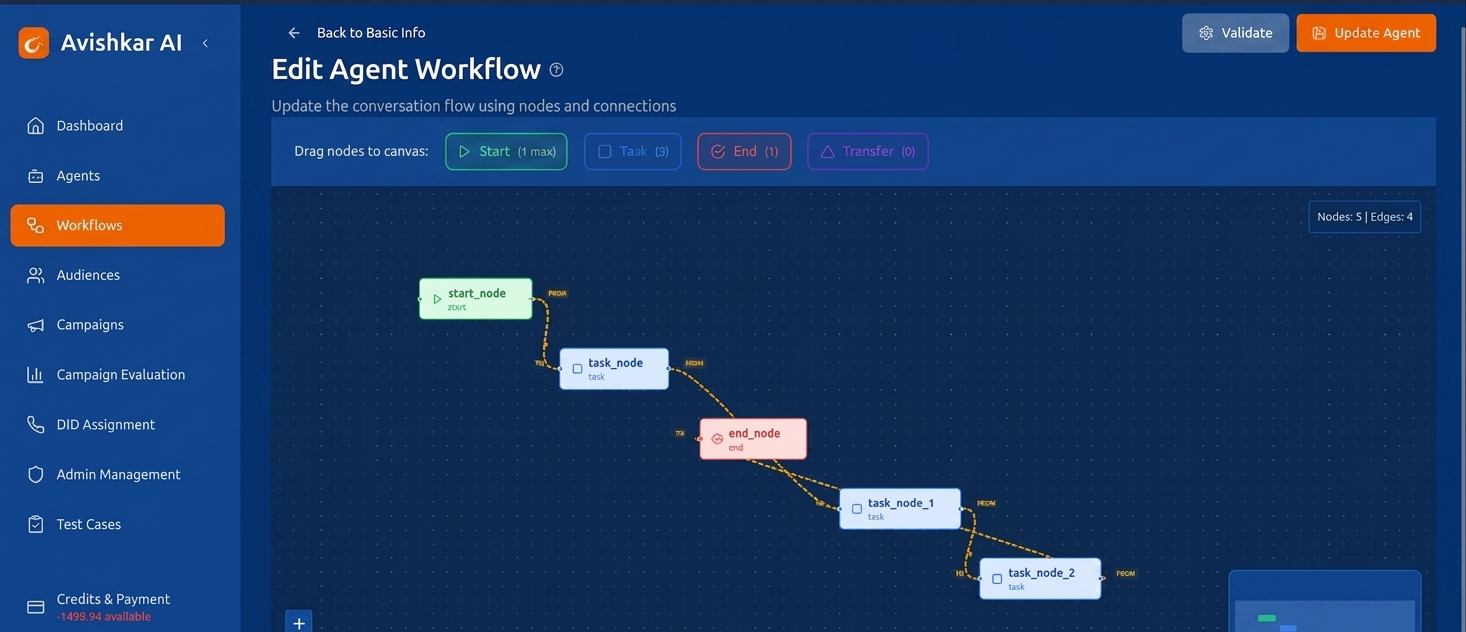
Alert Ingestion & Triage
AI ingests monitoring alerts from any critical system (SCADA, NOC, BMS) and instantly triages severity to prevent invisible downtime.

Autonomous
AI Dispatching
FSM matches the alert to the right field engineer based on proximity and skill, sending the job with full context.

Resolution &
Automated Closing
The system tracks SLAs in real-time and logs resolution data automatically, ensuring 100% accountability from alert to closure.
AI-Native Uptime For
Critical Infrastructure
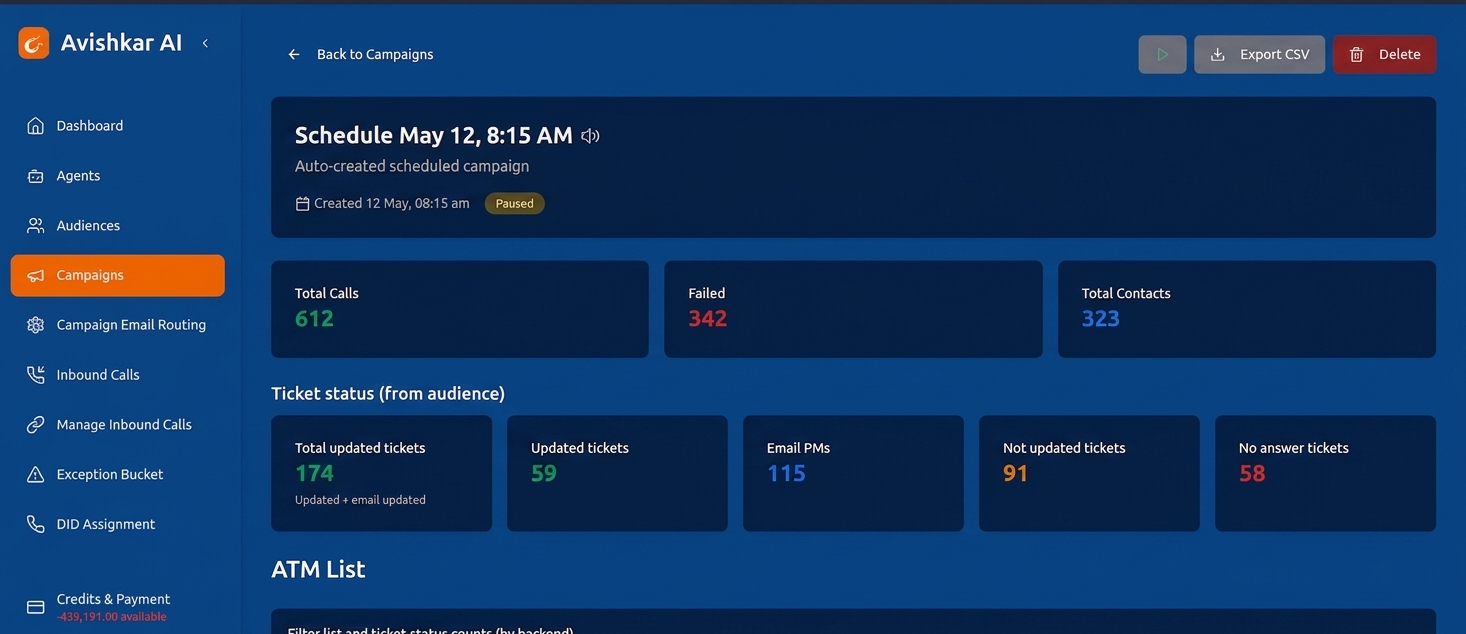
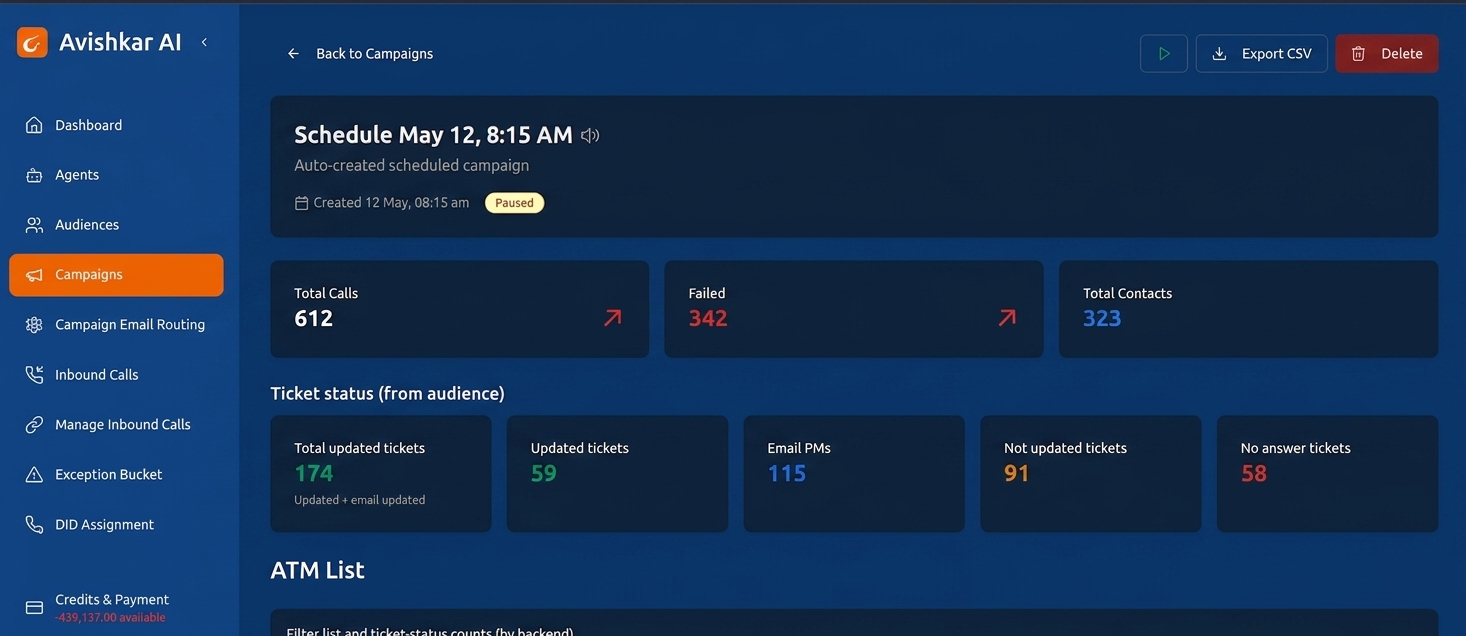
FSM Dispatch handles the entire uptime cycle—from alert ingestion to resolution—with 90% autonomous decision-making.
Autonomous AI Dispatching
AI triages alert severity, matches the right engineer, and sends jobs with full operational context to ensure rapid response.
Real-time SLA Tracking
The platform tracks resolution progress and logs data automatically, eliminating manual follow-ups and human chasing.
Asset-Driven Scaling
Increase your operational output as your network grows without adding headcount or new coordination layers.
The autonomous uptime standard for industry.
ATM Network Dispatch
15,000 ATMs live in production across multiple paid ATM network providers in India. When an alert fires, AI triages it, identifies the right engineer, dispatches automatically, tracks resolution, and closes the ticket.
Alert Fires
AI ingests monitoring alert from any system instantly.
AI Dispatches
Triages severity and identifies optimal engineer with full context.
Resolved & Closed
Tracks resolution and closes tickets with 100% accountability.
Outcome Pricing
Per-asset per-month subscription. Paid only for uptime.
Native
Deployment
FSM Dispatch is live in production today, securing critical infrastructure uptime across multiple high-growth geographies.
ATM Networks
Automated alert triage and engineer dispatch for 15,000+ live ATMs. Prevent invisible downtime from becoming catastrophic with real-time severity matching.
Telecom Towers
Powering 68,000+ towers for top-tier providers. AI ingests monitoring alerts (SCADA/NOC) to identify the right engineer and track resolution.
HVAC & BMS
Smart monitoring for high-value climate systems. Filter out noise from hundreds of daily alerts to focus on critical temperature and power failures immediately.
Medical & Ind.
The AI-native uptime layer for life-critical equipment. 90% autonomous dispatching decisions ensures 100% accountability across high-stakes industrial assets.

Global
Scale
Eliminating downtime in high-impact markets by scaling AI-native dispatch infrastructure across India, the Middle East, and beyond.
Strategy
Session
Audit your critical infrastructure uptime. Discuss how FSM Dispatch automates triage and assignment, achieving 100% accountability with 90% autonomous decision-making.